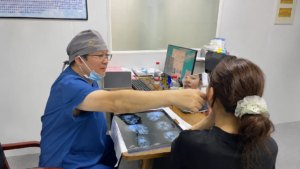
Traveling internationally for facial bone surgery involves much more than booking a flight.
For patients coming to Guangzhou for procedures such as:
- Facial feminization surgery
- Brow bone contouring
- Zygomatic contouring
- Mandibular angle reduction
- Jawline contouring
- Chin reshaping
the treatment journey usually includes several stages:
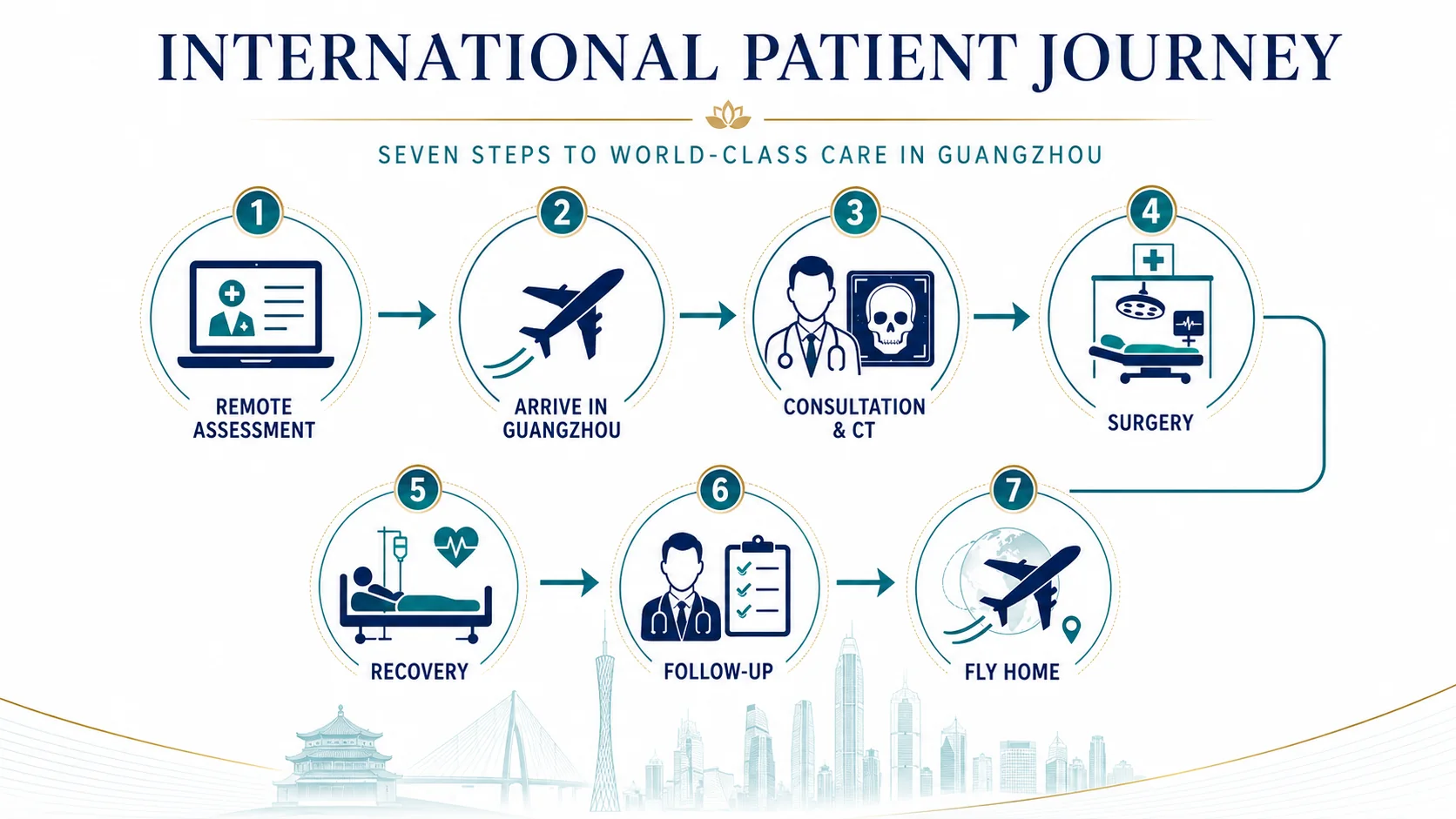
Remote assessment → Travel planning → In-person consultation → Medical testing → Surgery → Early recovery → Follow-up → Return travel
Preparing these stages properly can make the entire experience more organized and less stressful.
This guide explains what international patients should consider before traveling to Guangzhou for facial bone surgery.

Start Planning Before You Book Your Flight
A common mistake is to book travel first and think about medical planning afterward.
For facial bone surgery, the better sequence is usually the opposite.
Before confirming flights, patients should ideally have an initial discussion with the medical team.
This can help clarify:
- Which procedures may be appropriate
- Whether further imaging is needed
- Expected length of stay
- Preoperative medical requirements
- Possible surgery dates
- Early follow-up schedule
- Approximate recovery period before travel
The more extensive the surgery, the more important this preparation becomes.
A patient undergoing one isolated procedure may require a different travel schedule from someone undergoing several facial bone procedures together.
Step 1: Begin With a Remote Facial Assessment
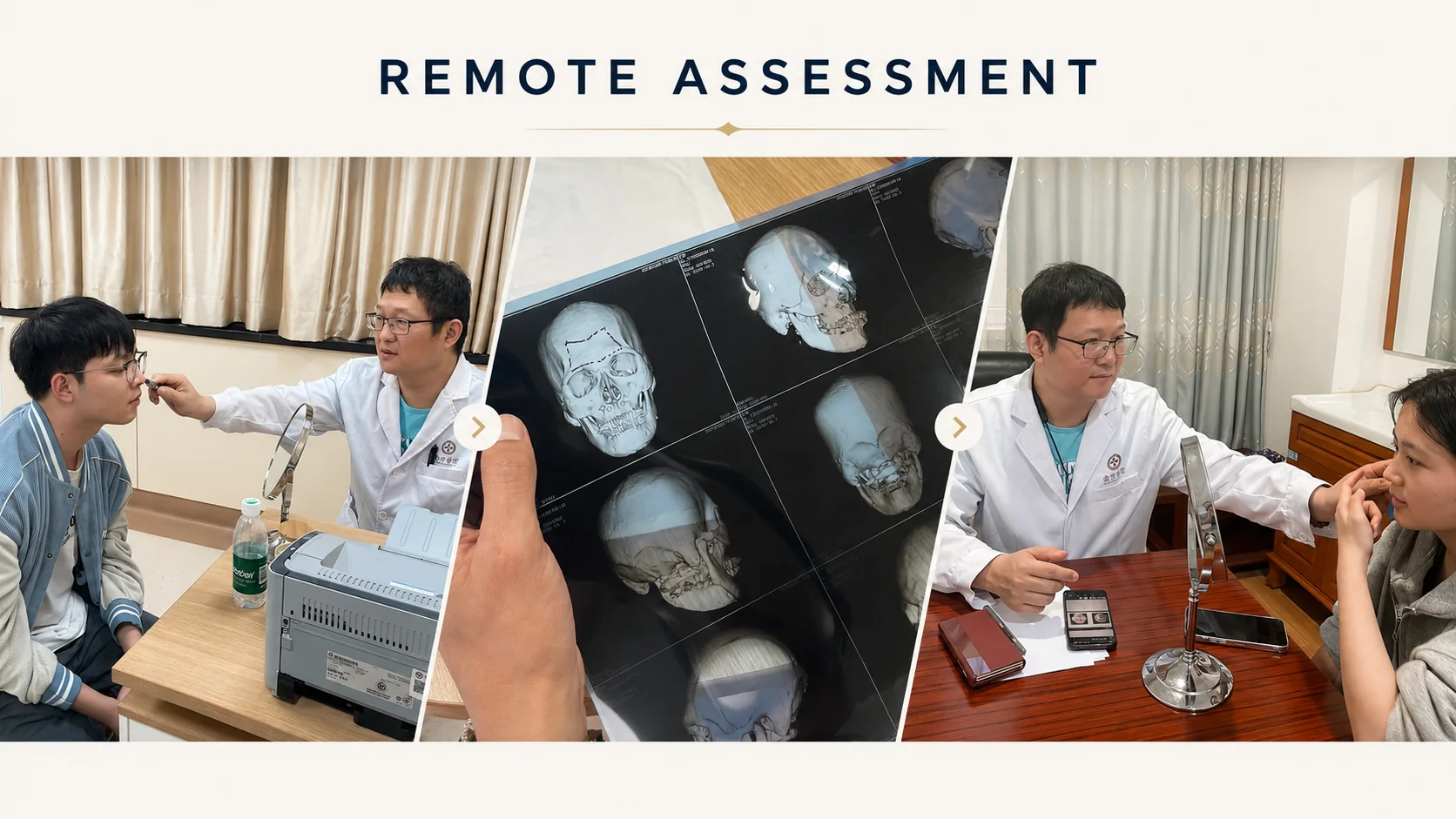
For many international patients, the first stage can begin before arriving in China.
Patients may submit:
- Facial photographs
- Medical history
- Previous surgery information
- Main facial concerns
- Treatment goals
Standardized facial photographs are particularly useful.
These may include:
- Front view
- Three-quarter view
- Profile view
Photos should ideally be taken:
- Without heavy beauty filters
- With neutral facial expression
- In clear lighting
- At approximately eye level
The purpose of a remote assessment is to provide an initial understanding of facial anatomy and potential treatment options.
However, remote consultation does not replace the final in-person medical assessment.
Step 2: Understand How Long You May Need to Stay
One of the most important questions for international patients is:
“How long should I stay in Guangzhou?”
There is no universal answer.
The appropriate length of stay depends on:
- Procedure type
- Number of surgical areas
- Recovery progress
- Follow-up requirements
- Surgeon recommendations
- Travel distance
The trip should include enough time for more than the surgery itself.
Patients may need time for:
- Arrival and adjustment
- In-person consultation
- Medical testing
- CT or additional imaging
- Surgery
- Hospital observation when required
- Early postoperative recovery
- Follow-up examination
- Clearance before return travel
For this reason, international patients should avoid planning an extremely short trip.
Build Flexibility Into the Travel Schedule
Whenever possible, return travel should have some flexibility.
Surgery and recovery are medical processes, not fixed tourism appointments.
A patient may need additional time because of:
- Swelling
- Follow-up findings
- Delayed healing
- Need for additional examination
- Travel comfort
Flexible tickets or changeable travel arrangements may be helpful.
Patients should discuss the expected recovery schedule before finalizing their return flight.
Step 3: Prepare Your Passport, Visa, and Travel Documents
International patients should confirm entry requirements for China based on their nationality and travel situation.
Requirements may vary.
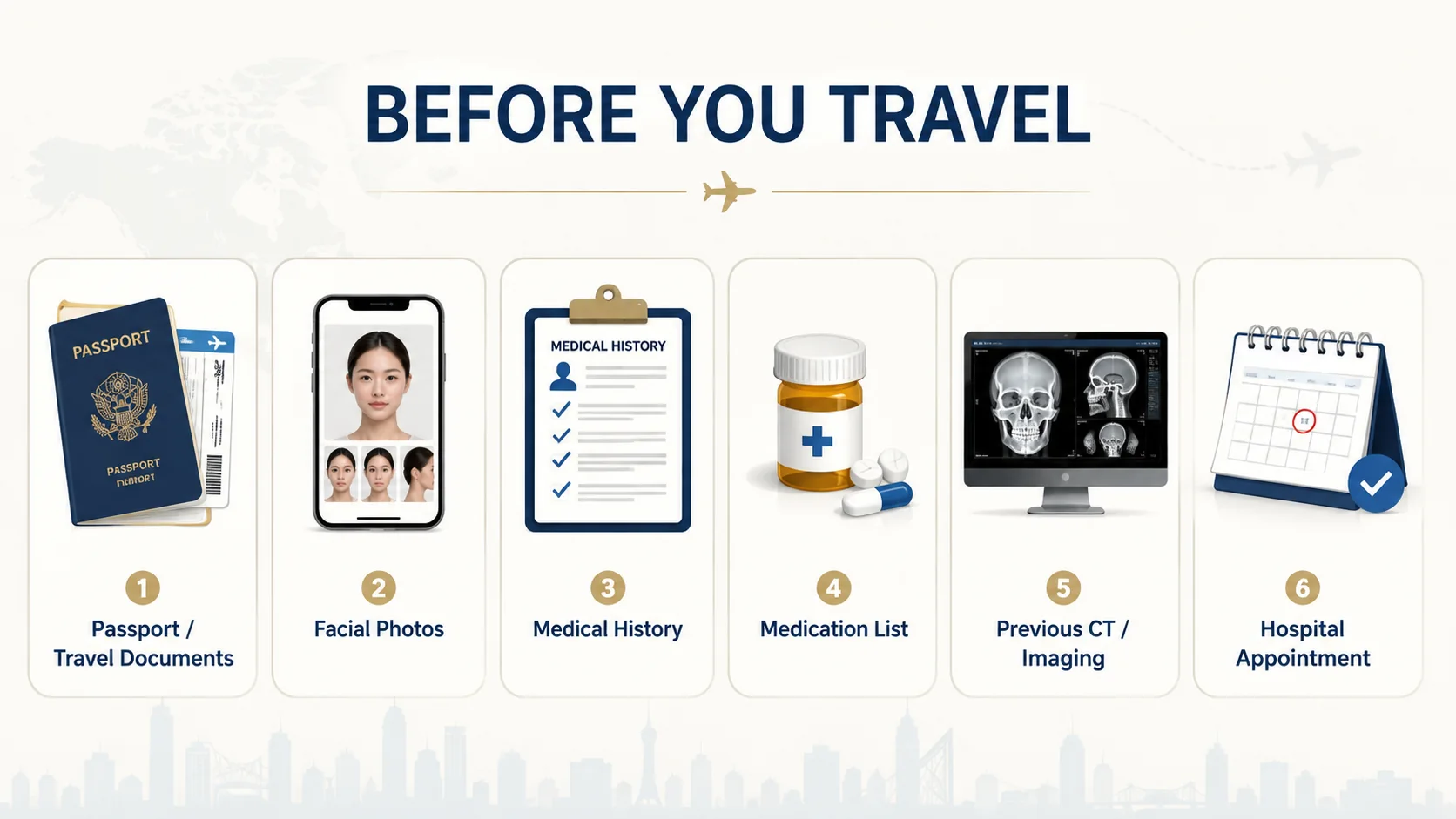
Before departure, patients should check:
- Passport validity
- Visa or visa-free eligibility where applicable
- Flight bookings
- Hotel confirmation
- Hospital appointment information
- Emergency contact information
It can also be helpful to keep digital and printed copies of important travel documents.
Patients should verify current immigration and entry rules using official sources before travel, as requirements can change.
Step 4: Prepare Your Medical Information
Patients should travel with an accurate record of relevant medical information.
This may include:
- Current medications
- Medication doses
- Allergies
- Previous surgeries
- Relevant diagnoses
- Previous facial procedures
- Imaging when available
- Laboratory results when requested
Patients should inform the medical team about any health condition that may affect anesthesia, surgery, or healing.
Do not stop prescription medication unless instructed by an appropriate medical professional.
Step 5: Medications and Supplements
Medication review is an important part of surgical preparation.
Patients should tell the surgical team about:
- Prescription medications
- Over-the-counter medications
- Vitamins
- Herbal products
- Dietary supplements
Certain products may affect:
- Bleeding
- Blood pressure
- Anesthesia
- Healing
Patients should not independently stop necessary medication.
The medical team should provide individualized instructions regarding what should be continued, adjusted, or avoided.
Smoking and Nicotine
Nicotine can affect circulation and wound healing.
Patients who smoke or use nicotine products should discuss this with their surgical team well before surgery.
This includes:
- Cigarettes
- Vaping
- Nicotine pouches
- Other nicotine-containing products
Specific preoperative and postoperative instructions should be followed carefully.
Alcohol Before Surgery
Patients may also receive instructions regarding alcohol use before and after surgery.
Alcohol can interact with:
- Certain medications
- Hydration
- Recovery
- Anesthesia considerations
The exact recommendations should come from the medical team.
Step 6: Choosing Where to Stay in Guangzhou
Accommodation matters more for surgical patients than for ordinary travelers.
A hotel may look attractive online but still be inconvenient during recovery.
For postoperative accommodation, practical factors are usually more important than nightlife or sightseeing.
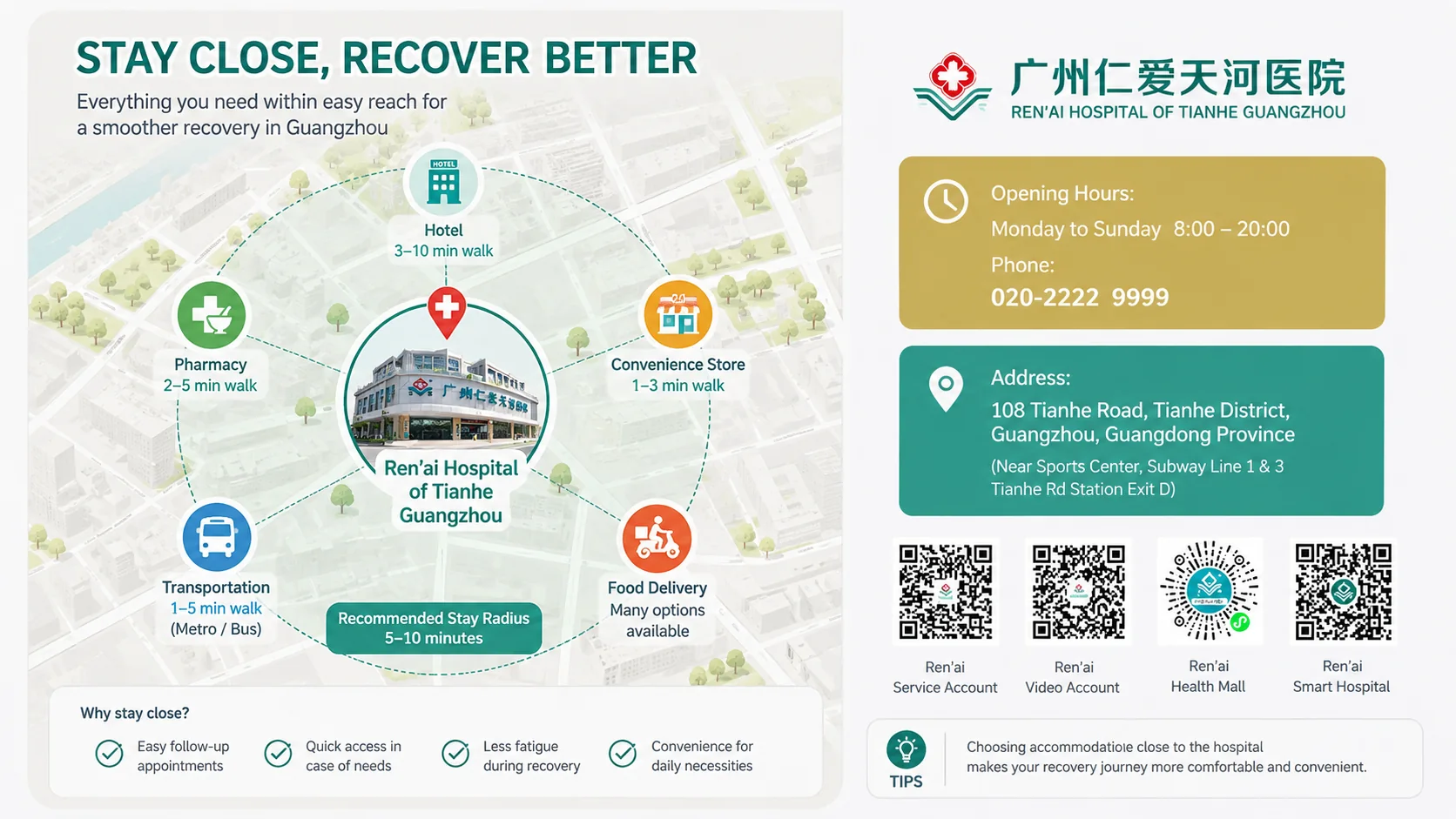
Patients may want to consider:
- Distance from the hospital
- Easy vehicle access
- Elevators
- Quiet rooms
- Nearby convenience stores
- Food delivery availability
- Pharmacy access
- Comfortable bed
- Clean bathroom
- Reliable air conditioning
- Ability for a companion to stay
Staying close to the hospital can make postoperative follow-up considerably easier.
Should You Travel Alone?
For significant facial bone surgery, traveling with a companion may be helpful.
A companion can assist with:
- Transportation
- Communication
- Meals
- Medication reminders
- Daily necessities
- Emotional support
This can be particularly useful during the first several postoperative days.
However, whether a companion is necessary depends on the procedure and the individual patient.
Patients traveling alone should discuss postoperative support arrangements with the medical team before surgery.
Step 7: What to Pack for Facial Bone Surgery
Packing for surgery is different from packing for a normal vacation.
The goal is comfort and simplicity.
Useful items may include:
- Loose, comfortable clothing
- Front-opening or wide-neck tops
- Comfortable shoes
- Personal hygiene items
- Phone charger
- Travel adapter
- Medication list
- Important documents
- Simple entertainment for recovery
Patients should avoid bringing unnecessary valuables.
Clothing After Facial Surgery
Clothing that must be pulled tightly over the head may be inconvenient during early recovery.
Depending on the procedure, loose or front-opening clothing may be easier to use.
Comfort should take priority over appearance during the first days.
Step 8: Arriving in Guangzhou
After arrival, patients should allow enough time to rest before major medical appointments whenever possible.
Long-distance travel can cause:
- Fatigue
- Dehydration
- Sleep disruption
- Jet lag
Arriving immediately before surgery may add unnecessary stress.
The medical team will usually confirm the schedule for:
- Consultation
- Imaging
- Laboratory tests
- Anesthesia evaluation
- Surgery
Patients should follow the specific timetable provided to them.
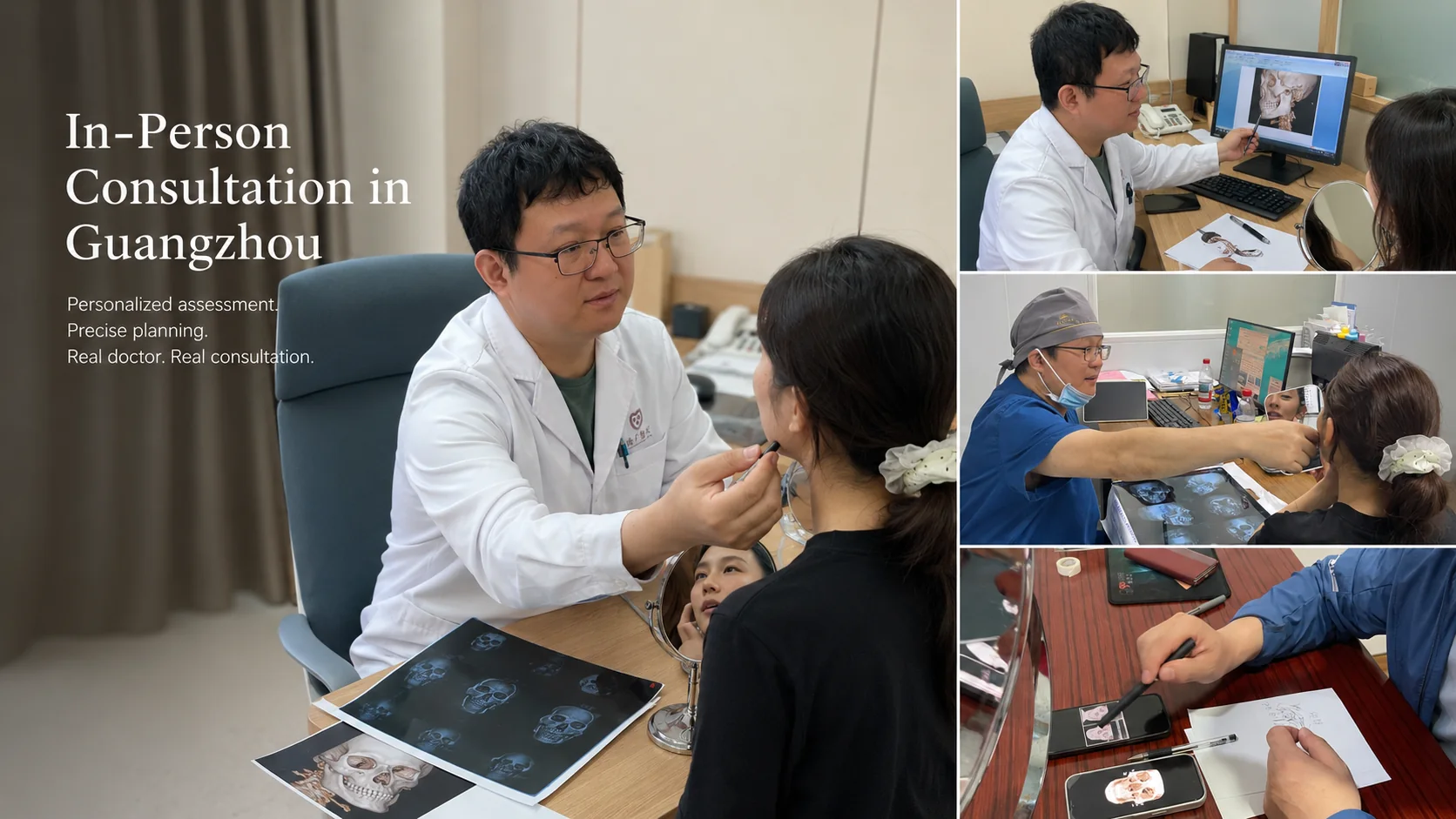
Step 9: In-Person Consultation
The in-person consultation is a critical stage because the surgeon can now evaluate factors that photographs cannot fully show.
This may include:
- Facial symmetry
- Bone landmarks
- Soft-tissue thickness
- Skin elasticity
- Muscle structure
- Facial movement
- Palpation of skeletal contours
The surgeon can also confirm whether the initial remote plan remains appropriate.
Treatment plans can sometimes change after direct examination or imaging.
Step 10: CT Imaging and Preoperative Testing
When facial bone surgery is planned, further imaging may be required.
CT imaging can help evaluate:
- Forehead structure
- Frontal sinus
- Zygomatic bones
- Mandible
- Chin
- Bone thickness
- Skeletal asymmetry
- Important nerve pathways
Preoperative testing may also include:
- Blood tests
- Physical examination
- Anesthesia evaluation
- Other testing based on medical history
These assessments help determine whether the patient is ready for surgery and support detailed surgical planning.
Step 11: The Day Before Surgery
Patients should follow the hospital’s preoperative instructions carefully.
Instructions may include information about:
- Food
- Water
- Medication
- Arrival time
- Personal items
- Makeup
- Contact lenses
- Jewelry
Patients should not assume that fasting or medication instructions are identical for every operation.
Follow the exact instructions provided by the medical team.
Step 12: Surgery Day
On the day of surgery, the medical team confirms:
- Patient identity
- Surgical procedures
- Treatment areas
- Relevant imaging
- Medical information
- Anesthesia plan
Patients may also have final preoperative photographs or surgical markings.
The specific process depends on the operation.
For facial bone surgery, planning should already have been completed before entering the operating room.
The surgery itself is the execution of that plan—not the beginning of the decision-making process.
Step 13: The First 24–72 Hours After Surgery
The earliest recovery period usually involves the most noticeable swelling.
Patients may experience:
- Facial swelling
- Tightness
- Bruising
- Temporary numbness
- Fatigue
- Chewing difficulty after lower-face surgery
The face may temporarily appear wider or fuller.
This should not be interpreted as the final facial contour.
Depending on the surgery, hospital observation may be required.
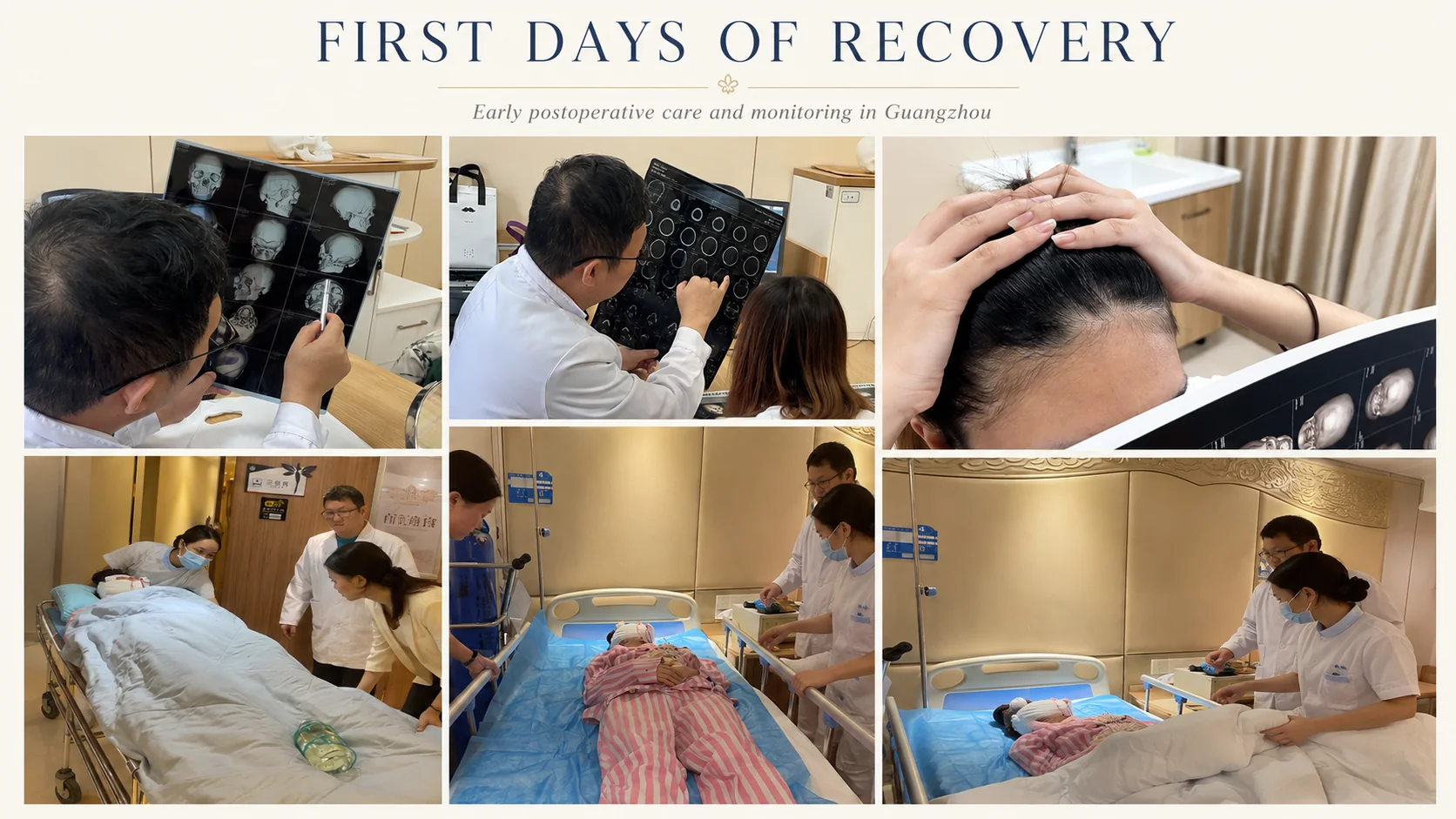
Step 14: Recovery at the Hotel
Once patients leave the hospital, recovery continues at their accommodation.
During this stage, priorities may include:
- Rest
- Medication
- Nutrition
- Hydration
- Oral hygiene when required
- Sleep position
- Follow-up visits
Patients should avoid treating the hotel recovery period as a normal sightseeing vacation.
Although they may begin to feel better, healing is still taking place.
Food During Recovery
Patients undergoing jaw or chin procedures may temporarily find chewing difficult.
Soft or easy-to-eat food may be more comfortable.
Food delivery services can be particularly useful for international patients recovering at a hotel.
When selecting accommodation, access to simple meals is therefore worth considering.
Transportation During Recovery
Patients may not feel comfortable using crowded public transportation immediately after surgery.
For early follow-up visits, private car or taxi transportation may be more convenient.
Patients should plan transportation before surgery rather than trying to organize everything while swollen and tired.
Step 15: Postoperative Follow-Up
Follow-up appointments allow the surgical team to assess recovery.
Depending on the operation, the surgeon may evaluate:
- Swelling
- Incisions
- Oral wounds
- Facial symmetry
- Sensation
- Healing progress
Follow-up is particularly important before an international patient returns home.
Patients should know their postoperative schedule before finalizing travel plans.
When Can You Fly Home?
This is one of the most important questions for international patients.
The answer depends on:
- Procedure
- Recovery
- Follow-up findings
- Overall health
- Surgeon’s recommendation
Patients should not choose a return date based only on when a flight is cheapest.
The return journey should be planned around medical recovery.
Long flights can also be tiring during early postoperative healing.
Preparing for the Flight Home
Before flying, patients should consider:
- Medication supply
- Follow-up instructions
- Emergency contact details
- Hydration
- Comfortable clothing
- Travel time
- Ground transportation after landing
Patients sho uld also know how to contact their medical team if questions arise after returning home.
Returning Home Does Not Mean Recovery Is Finished
Patients may be medically fit to travel before the final facial result has developed.
After returning home:
- Residual swelling may remain
- Sensation may continue changing
- Facial contours may continue refining
- Soft tissues continue adapting
Patients should continue following postoperative instructions.
The medical team may also request follow-up photographs or remote consultations.
Remote Follow-Up After Returning Home
International care does not necessarily end when the patient leaves Guangzhou.
Remote follow-up may be used to review:
- Swelling
- Healing
- Incisions
- Facial appearance
- Patient concerns
However, remote follow-up has limitations.
If a patient develops significant or urgent medical symptoms, local in-person medical evaluation may be necessary.
Common Travel Planning Mistakes
A Successful Surgical Trip Begins Before You Leave Home
International facial bone surgery is not simply:
Fly to Guangzhou → Have surgery → Fly home.
A better way to think about the journey is:
Prepare → Assess → Travel → Confirm → Treat → Recover → Follow Up → Return
Good travel planning supports medical care.
It helps patients arrive better prepared, recover with fewer practical difficulties, and return home at an appropriate stage of healing.
For international patients, preparation is therefore not separate from treatment.
It is part of the treatment process itself.
Planning Facial Bone Surgery in Guangzhou?
An international patient assessment can help you understand:
- Which facial procedures may be appropriate
- What photographs or imaging are needed
- How to prepare before traveling
- How long you may need to stay in Guangzhou
- What to expect during early recovery
- When postoperative follow-up may occur
- How return travel can be planned